
Key Takeaways
- Insider Risk Is Business Risk
Insider threats have swiftly become one of the most prevalent and financially burdensome forms of cyber risk. This necessitates immediate board-level visibility and proactive risk management. - Boards Are Accountable
Fiduciary duty and evolving regulations demand that boards take insider risk seriously, not just as a security issue, but as an enterprise risk. - Behavioral Visibility Is Essential
Legacy surveillance models are no longer sufficient. Modern Insider Risk Management (IRM) tools like Veriato deliver behavioral insights that support ethical, strategic decision-making. - IRM Requires Cross-Functional Partnership
Effective insider risk programs bridge Security, HR, Legal, IT, and the Board and turn siloed information into shared accountability and faster response. - Veriato IRM Enables Governance at Scale
Veriato equips leaders with real-time dashboards, risk scoring, and audit-ready trails, which support strategic oversight
Why Boards Must Take the Lead on Insider Risk Oversight
Cybersecurity is a business-critical issue. Insider risk is now one of the fastest-growing threats to operational continuity, financial stability, and reputation. As hybrid work expands and regulations tighten, insider risk oversight is a board-level responsibility.
Insider Risk Is a Strategic Imperative
Boards must maintain enterprise value, protect brand integrity, and anticipate operational threats. Insider threats are now a major part of that equation.
83% of organizations experienced an insider attack last year, and the average cost of an incident exceeded $17.4 million (Ponemon, 2025). These events often go unnoticed for months and cause significant damage.
Boards need to ensure that insider risk is being actively monitored and addressed across the organization.
Behavioral Visibility Powers Modern Insider Risk Oversight
Companies need real-time visibility into behavioral risk across their organizations. Legacy tools only show you part of the picture.
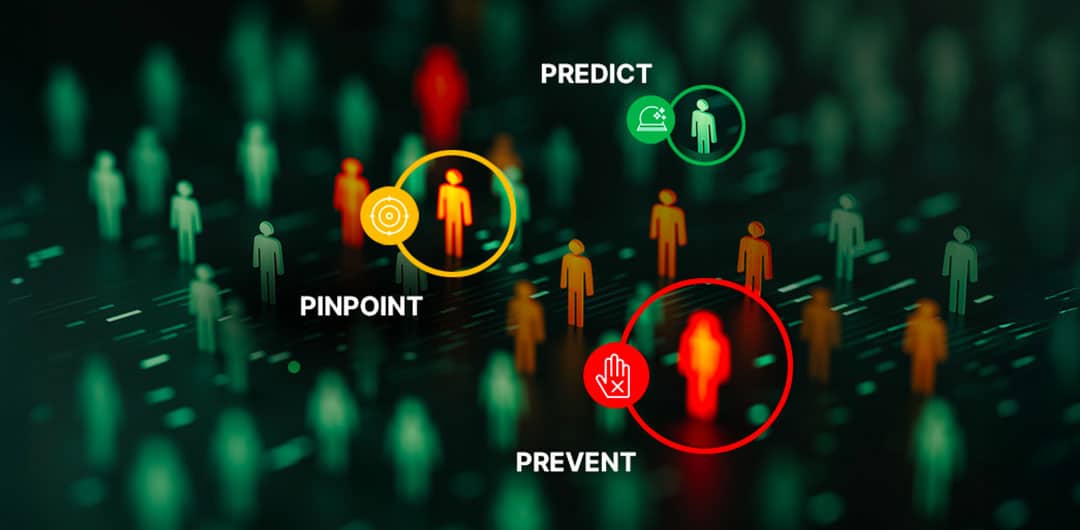
Veriato IRM provides this visibility. It continuously monitors user behavior, detects anomalies, and surfaces early indicators of risk. The platform supports security, HR, compliance, and leadership teams with the context needed to take timely action.
What Board-Level Risk Oversight Should Include
Board members are responsible for ensuring that insider risk is not just acknowledged but addressed. This requires:
- Mandated Reporting: Require insider risk metrics as part of regular board updates
- Cross-Functional Alignment: Ensure HR, IT, legal, and security share accountability for risk detection and response
- Integrated Visibility: Embed behavioral risk data into enterprise dashboards alongside financial and operational metrics
Veriato IRM provides audit-ready logs, role-based dashboards, and real-time alerts that help executives make faster, smarter decisions.
Close the Visibility Gaps
93% of executives say unified behavioral visibility is critical. Only 36% have a system in place. Boards that close this gap are better prepared for audits, compliance demands, and emerging workforce challenges.
With Veriato IRM, boards gain earlier warning, stronger risk posture, and tighter alignment between people, processes, and outcomes.
Final Thought
Boards play an increasingly active role in cybersecurity—and insider risk is now central to that oversight. As insider threats become more frequent, costly, and complex, leadership must have access to the right insights at the right time.
Behavioral visibility isn’t surveillance—it’s a strategic lens into how risk emerges, escalates, and can be mitigated. By adopting tools like Veriato IRM, boards strengthen governance, improve cross-functional coordination, and act before risk becomes crisis.
Is your board equipped to govern insider risk with confidence?
Schedule a demo to see how Veriato empowers leadership with real-time insight, accountability, and control.
FAQs
Q: What is Insider Risk Management (IRM)?
A: IRM is the practice of detecting, assessing, and responding to risks posed by people within your organization, whether intentional or accidental. It includes behavioral monitoring, context analysis, and proactive mitigation.
Q: Why should insider risk be a board-level issue?
A: Insider threats can lead to significant consequences, including financial, reputational, and regulatory damage. Boards are ultimately responsible for oversight and must ensure that people-related risks are visible, measured, and governed.
Q: What’s the difference between surveillance and behavioral visibility?
A: Surveillance focuses on control and enforcement. Behavioral visibility, as delivered by Veriato, provides contextual insight into workforce behavior, enabling trust-based risk governance.
Q: How does Veriato IRM support cross-functional teams?
A: Veriato unifies insights across security, HR, legal, and IT with role-based dashboards, real-time alerts, and detailed digital audit trails—helping each function act decisively while aligning with executive priorities.
Q: What compliance frameworks does Veriato IRM support?
A: Veriato helps organizations meet requirements for HIPAA, SOX, GDPR, and other industry-specific mandates by providing behavioral logs, screenshots, user activity records, and customizable reporting.
Insider Risk Management Guide to Behavioral Visibility
Discover how modern Insider Risk Management leverages behavioral visibility, sentiment analysis, and AI-driven risk scoring to strengthen security, compliance, and workforce resilience.
About the author