
Key Takeaways
- Traditional insider risk tools detect actions; sentiment analysis helps explain context.
- Sentiment analysis is not about monitoring individual emotions. It is about identifying organizational signals.
- Signals like burnout, disengagement, frustration, mistrust, and policy friction can indicate elevated insider risk.
- The value comes from connecting sentiment data with behavioral visibility, not collecting more data.
- Security, HR, compliance, operations, and executive teams can all use sentiment insights differently.
5 Sentiment Signals That Can Reveal Insider Risk Before It Escalates
Traditional insider risk tools are designed to detect actions.
They identify unusual access patterns, policy violations, suspicious activity, and data movement after those behaviors occur.
But actions rarely happen without context.
Frustration. Burnout. Disengagement. Mistrust. Policy friction.
These organizational signals can influence employee behavior long before a security alert is triggered.
That is where sentiment analysis adds value.
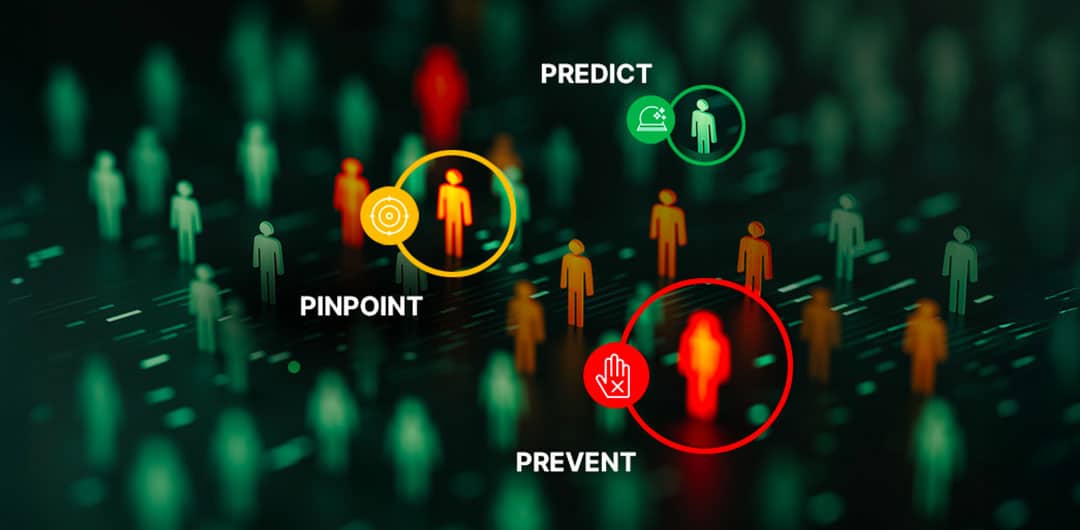
Sentiment analysis elevates insider risk management with richer behavioral intelligence. By providing context around changes in employee sentiment and organizational conditions, it helps organizations move beyond monitoring activity to understanding emerging risk, enabling earlier, more informed decisions across security, HR, compliance, and leadership teams.
Together, traditional monitoring and sentiment analysis deliver a more complete view of insider risk, combining activity with behavioral context to help organizations identify emerging risks earlier and respond with greater confidence.
What Is Sentiment Analysis in Insider Risk Management?
Sentiment analysis in insider risk management uses language, communication, feedback, and behavioral signals to understand better organizational conditions that may contribute to insider risk.
Effective sentiment analysis looks for broad patterns across teams, departments, workflows, or moments of change. These patterns can help security, HR, compliance, operations, and executive teams understand where risk may be building before it escalates into a measurable event.
When paired with traditional insider risk monitoring, sentiment analysis helps organizations move from simply detecting actions to understanding the context behind them.
1. Rising Frustration
Repeated expressions of frustration may point to process breakdowns, unclear expectations, or unresolved workplace friction.
On their own, these signals do not equal insider risk. But when frustration appears alongside unusual behavior or access patterns, it can provide important context.
2. Disengagement
Disengagement can show up in reduced participation, negative language, withdrawal from collaboration, or declining responsiveness.
For insider risk teams, disengagement may matter because it can signal a weakening connection between an employee and the organization.
3. Burnout
Burnout is often treated as an HR issue, but it can also affect security posture.
Employees under sustained pressure may bypass processes, mishandle sensitive information, or make avoidable mistakes. Sentiment analysis can help identify where burnout-related risk may be emerging.
4. Mistrust
Mistrust in leadership, policies, systems, or peers can create conditions where employees are less likely to report concerns, follow procedures, or engage constructively.
For compliance and security teams, recurring mistrust may indicate a deeper organizational issue that traditional alerts would not capture.
5. Policy Friction
When employees repeatedly express confusion or frustration around policies, the issue may not be resistance. It may be that the policy is unclear, hard to follow, or disconnected from how work actually happens.
This kind of friction can lead to workarounds, shadow processes, and increased insider risk exposure.
Why Context Matters
Sentiment analysis does not interpret emotions. It helps organizations spot signals that traditional reporting often misses.
For security teams, those signals may reveal emerging insider risk. HR leaders may identify burnout or disengagement. Compliance teams may uncover recurring policy challenges. Operations teams may gain visibility into inefficiencies and process friction.
For executives, sentiment analysis can provide a broader view of workforce health and organizational resilience.
The organizations that gain the greatest value are not the ones collecting the most data. They are the ones who understand the context behind it.
As workforce models evolve, AI adoption accelerates, and insider risks become more complex, leaders need more than reports and alerts.
They need visibility into the behaviors and organizational dynamics that shape risk.
That is where sentiment analysis becomes a powerful component of insider risk management programs.
Learn how Veriato helps organizations turn behavioral insight into action by scheduling a custom demo.
FAQs
Q: What is sentiment analysis in insider risk management?
A: Sentiment analysis helps organizations identify patterns in employee feedback, communication, and behavioral signals that may provide context around insider risk. It helps teams understand organizational conditions, not just individual actions.
Q: Is sentiment analysis the same as employee monitoring?
A: No. Effective sentiment analysis should not be used to monitor individual emotions or make assumptions about intent. Its value comes from identifying broader organizational patterns and risk signals.
Q: How does sentiment analysis help reduce insider risk?
A: It can help security, HR, compliance, and leadership teams identify early signs of frustration, disengagement, burnout, mistrust, or policy friction before those issues contribute to risky behavior.
Q: What teams benefit from sentiment analysis?
A: Security, HR, compliance, operations, and executive teams can all benefit. Each team may use the insights differently, but all gain more context around organizational health and risk.
Q: Does sentiment analysis replace traditional security tools?
A: No. Sentiment analysis complements traditional insider risk tools by adding human and organizational context to behavioral and technical signals.
Insider Risk Management Guide to Behavioral Visibility
Discover how modern Insider Risk Management leverages behavioral visibility, sentiment analysis, and AI-driven risk scoring to strengthen security, compliance, and workforce resilience.
About the author